Wondering when to plan your Maasai Mara safari? Here's what to expect every month, from the Great Migration crossings to leopard cubs in the dry season.
The short answer
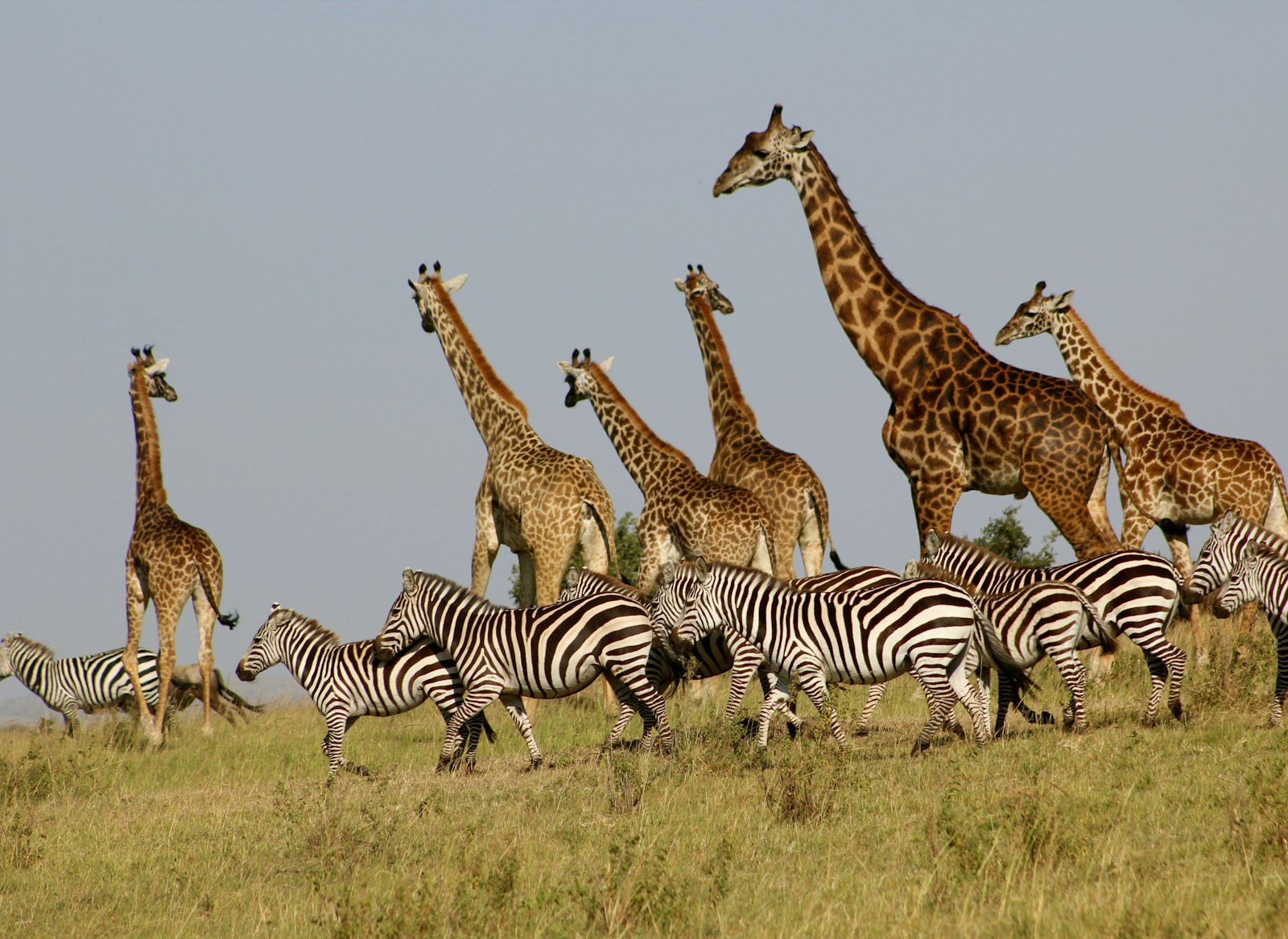
The Maasai Mara is a year-round safari destination, but each month brings a different rhythm. The headline event is the Great Migration river crossings (July–October), but seasoned travellers swear by the quieter, greener months for big-cat viewing and value.
January, Big cats and big skies
After the short rains of November–December, January arrives green, fresh and busy with newborn antelope. Predators take advantage. Lion cub viewing is at its best as prides settle into a new year. Quiet on the tourist front, you'll often have a sighting to yourself.
Pros: Fewer vehicles, lush landscapes, baby animals, lower prices. Cons: Migration herds are far south in the Serengeti.
February, Photographer's month
Clear blue skies, golden light, easier game viewing as vegetation thins again. Cheetah hunts are particularly active. Best month for landscape and wildlife photography.
Pros: Crystal-clear skies, low prices, excellent big-cat viewing. Cons: Migration still in Tanzania.
March, Last of the green season
The first long rains begin late in the month. Mornings are clear, afternoons may bring storms. Wildlife is concentrated near permanent water. Last of the low-season pricing.
April–May, Long rains
The wettest months. Dirt tracks turn to mud. Many camps lower rates significantly or close. Not recommended for first-time visitors, but veterans love it for empty parks and lush beauty.
June, Shoulder season
Rains taper off. Vegetation greens, then dries. Migration herds begin moving north from Tanzania. First sightings sometimes by late June.
July, Migration arrives
The herds reach the Mara. First river crossings typically begin late July. Camps fill up, book months ahead.
August, River crossings peak
The most dramatic month. Wildebeest crossings happen daily on the Mara River. Predators concentrate at the crossings. Highest-pressure month for booking, luxury camps fill 12 months out.
September, More crossings, slightly less crowded
Crossings continue. International school holidays end mid-September, so the second half of the month is slightly less crowded while wildlife remains spectacular.
October, Final crossings
Last river crossings as herds prepare to head south. Last of the migration season.
November–December, Short rains
Brief afternoon showers refresh the landscape. Migration herds return to Tanzania. Resident wildlife remains spectacular. Christmas and New Year are surprisingly busy with families and honeymooners.
My recommendation
- First-time visitor wanting the migration? Book August or early September.
- Want low crowds and great photography? January or February.
- Family with kids? Consider mid-July (just before the rush) or late September.
- Honeymooners? January–February or late September.
Whatever month you pick, book early, the best camps fill 6–12 months ahead.